Bibliotherapy guide
Best Books for Anxiety & Stress Relief (2026), A Bibliotherapist's Picks
A curated reading list from Book Therapy, the fiction, memoir, poetry and evidence-based self-help titles we prescribe most often for anxiety, panic and everyday stress.
Anxiety narrows the world. It shrinks attention to a single loop of worry, hijacks the body, and makes rest feel like a foreign country. Reading, quietly and reliably, does the opposite: it widens the mind, slows the breath, and reminds you that other people have lived here too.
A 2009 University of Sussex study found that six minutes of reading reduced stress by 68%, more than music, tea, or a walk. But the right book does more than distract. It offers witness: the experience of another mind describing your own weather back to you, so you feel less strange, less alone, more able to begin again.
The books below are the ones we return to most often in our bibliotherapy sessions. They cover the full territory of anxious life, the racing mind, the somatic weight of chronic stress, the specific texture of panic, across fiction, memoir, poetry and practical self-help.
The reading list
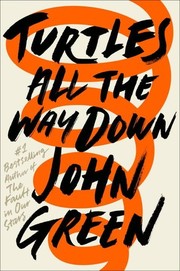
1. fiction
Turtles All the Way Down
by John Green
An unflinching portrait of intrusive thoughts and OCD spirals.
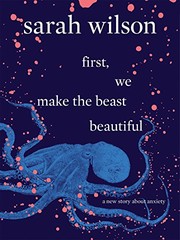
2. nonfiction
First, We Make the Beast Beautiful
by Sarah Wilson
A frank, hopeful guide to befriending your anxiety.

- When the Body Says No
- Don't Panic

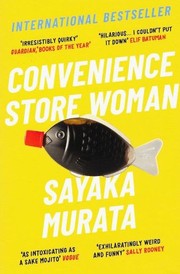
8. fiction
Convenience Store Woman
by Sayaka Murata
A woman finds calm in routine while the world calls her strange.
- The Anxiety and Phobia Workbook
9. nonfiction
The Anxiety and Phobia Workbook
by Edmund J. Bourne
Widely used, practical exercises for managing worry day to day.

- Homie
- Akin
How to use this list as bibliotherapy
- Read one book at a time. Anxiety loves overwhelm. Pick the title that best matches your current weather and let the others wait.
- Pair fiction with non-fiction. A memoir or novel to feel seen; a self-help book to give you a framework.
- Keep a poetry book on the bedside table. A single poem is often more useful in a spike of anxiety than a chapter of theory.
- Read slowly. Ten pages a day, at the same time, does more than a rushed binge.
Frequently asked questions
Can reading really help with anxiety?
Yes. Bibliotherapy, the therapeutic use of reading, has been shown to lower stress, slow the heart rate, and give anxious thoughts somewhere else to go. A 2009 University of Sussex study found six minutes of reading reduced stress levels by 68%, more than music or a walk. The right book both distracts the racing mind and helps you feel understood.
What are the best books for anxiety?
Our top picks blend memoir, fiction, and evidence-based self-help: 'First, We Make the Beast Beautiful' by Sarah Wilson, 'When the Body Says No' by Gabor Maté, 'Don't Panic' by Reid Wilson, and 'Turtles All the Way Down' by John Green. Together they cover the lived experience of anxiety, its physiology, and practical CBT tools.
Are self-help books actually good for stress relief?
The best self-help books for stress relief pair practical tools with genuine warmth. Look for authors with clinical experience (Reid Wilson, Gabor Maté) or writers who blend research with memoir (Sarah Wilson). Avoid books that promise a quick fix, recovery from chronic stress is slow, and honest books say so.
What should I read during a panic attack?
Something short, familiar and steadying. Poetry works well because a single poem gives your mind a shape to hold. Try Mary Oliver, Maggie Nelson's 'Bluets', or a chapter of a much-loved novel. Save dense self-help for calmer moments.
Is fiction or non-fiction better for anxiety?
Both, for different reasons. Fiction lets you rehearse difficult emotions safely and takes you out of your own head. Non-fiction gives you a framework and a plan. A good bibliotherapy prescription usually includes one of each.
Explore more reading lists
The full A–Z of Book Prescriptions covers over a hundred emotional and life themes. A few closely related to anxiety and stress:
- Anxiety, Exploring worry, fear and overwhelm, alongside perspectives that can help create greater calm, understanding and resilience.
- Burnout, Exploring emotional and physical exhaustion caused by prolonged stress, alongside ways of reconnecting with rest and sustainable living.
- Depression, Exploring experiences of low mood, disconnection and hopelessness, alongside stories and perspectives that offer understanding and hope.
- Loneliness, Exploring the experience of feeling disconnected or unseen and the human need for meaningful companionship and belonging.